How To Build Muscle After 40 Female
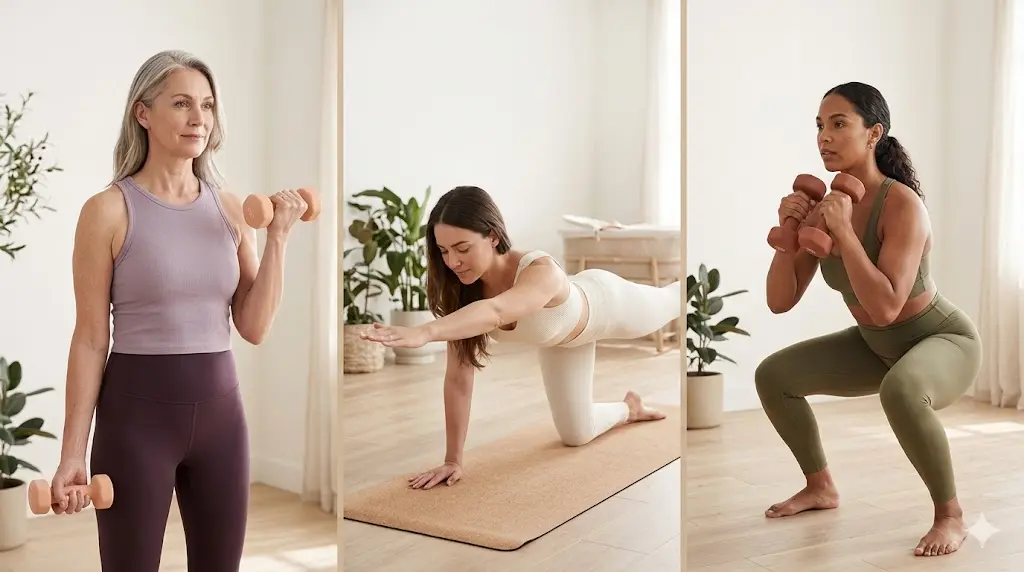
You set the grocery bags down halfway up the driveway. Again. You laugh it off as “just getting older” — but some part of you isn’t actually laughing.
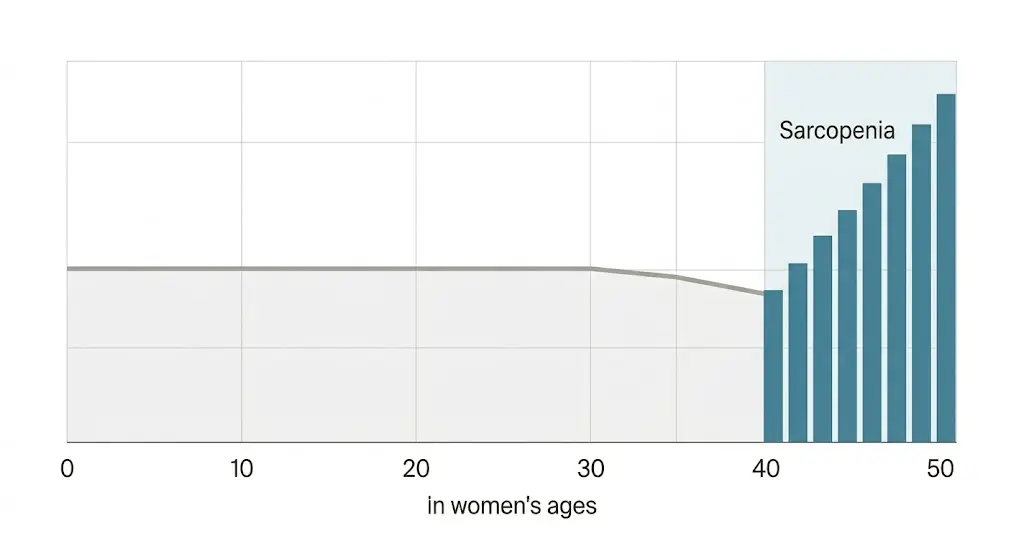
You’re not imagining it. Nearly 5%–10% of women in their 40’s in the U.S. are affected by sarcopenia — the clinical term for age-related muscle loss — and it usually shows up long before anyone calls it that: heavier grocery bags, stairs that wind you faster, jars that suddenly won’t budge.
Here’s the mindset shift that changes everything:
stop thinking “I need to shrink.” Start thinking “I need to build.”
This isn’t about chasing a smaller version of yourself. It’s about staying strong enough to carry your own groceries, your own kids, your own life — at 45, 65, and 85. Here’s exactly how, based on where you are right now.
Can Women Build Muscle After 40?
Yes. Women over 40 can build muscle, and the research backs it up plainly. Adequate protein, resistance training and progressive overload are the key to a healthy and fit body. The catch isn’t biology. It’s consistency.
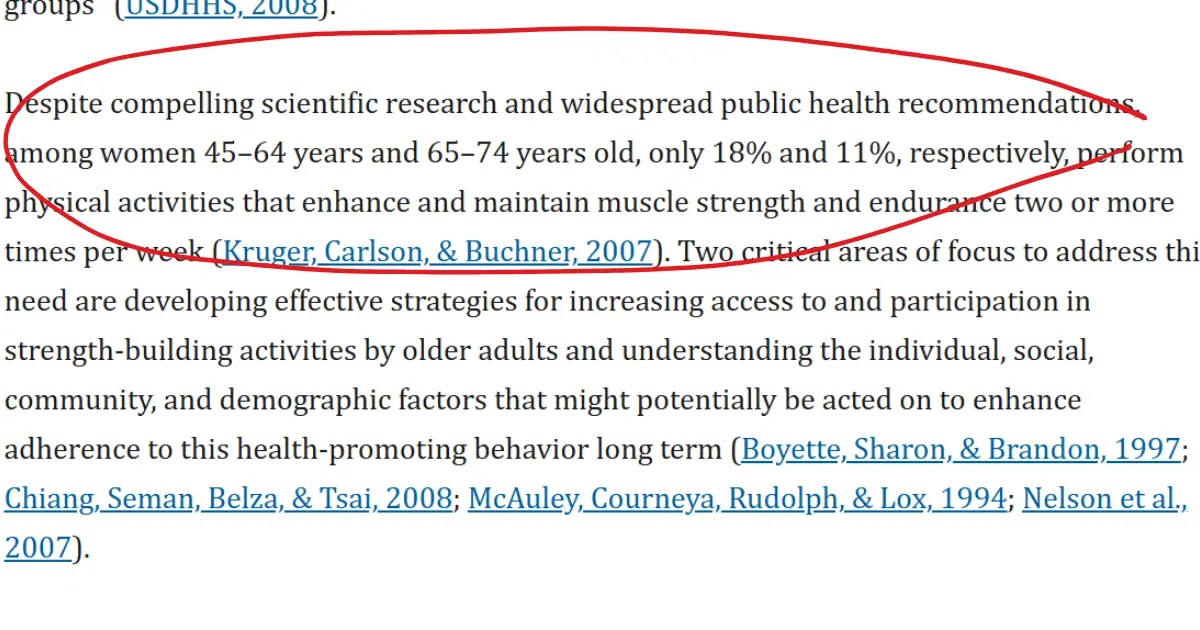
How many women are actively engaged in building muscle in their 40’s?
In one long-running health survey, only 18% of women aged 45–64 and 11% of women 65–74 did muscle-strengthening activity twice a week or more — meaning most women in this age range simply aren’t doing the type of training that builds muscle in the first place.
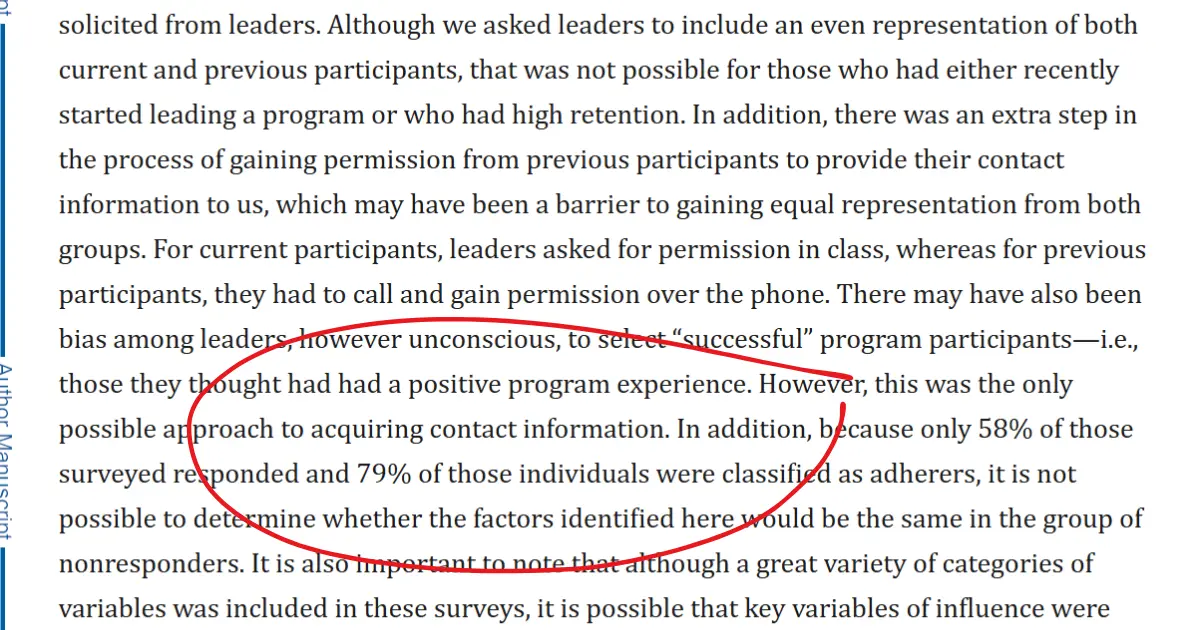
Do women remain consistent with structured strength programs?
The good news from the research: of the women who did start a structured strength program, 79% stuck with it. So once you start, you’re statistically likely to keep going.
Has any woman achieved real results after strength training in her 40s?
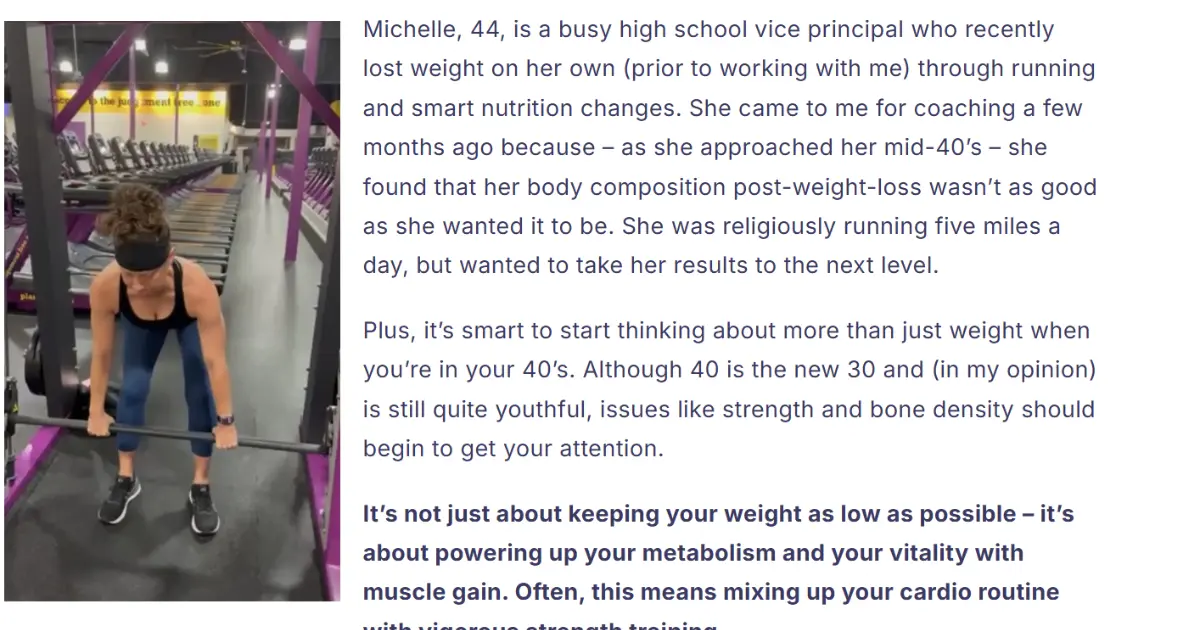
One trainer documented a client gaining about 5 pounds of muscle in 10 weeks on a 3–4x/week resistance program — not a controlled trial, but a solid example of what consistent, progressive training actually does after 40.
Why do women need to eat more protein in her 40’s?
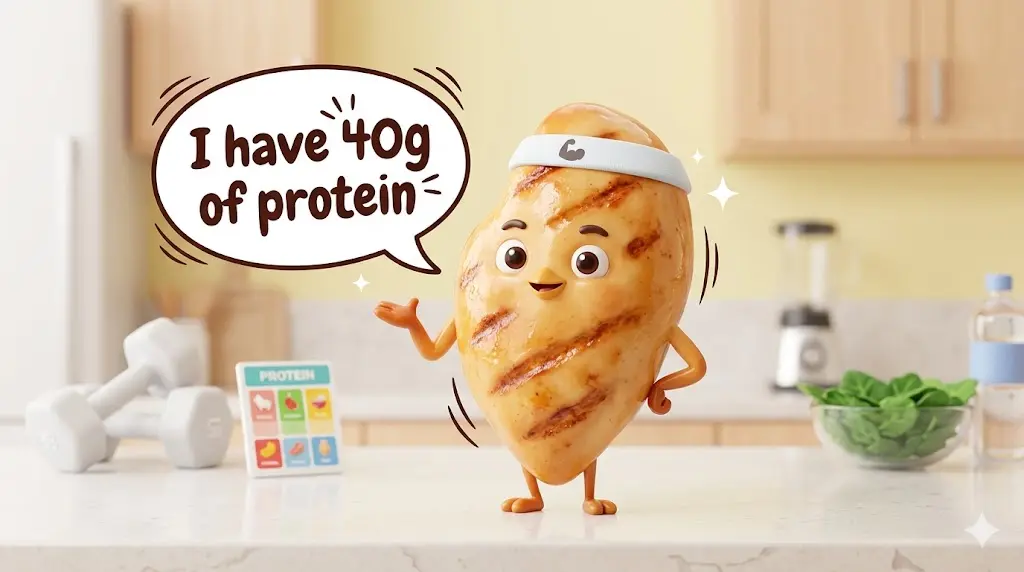
Protein matters just as much as the lifting. Protein researcher Stuart Phillips puts it simply:
“Older adults benefit from 1.6–2.2g/kg protein to maximize muscle retention or growth.”
For most women that’s 30–40g of protein per meal — closer to a chicken breast than a protein shake’s worth of dust at the bottom of the shaker.
Find Your Solution Based on Your Life Stage
Your training needs depend on what your hormones and body are actually doing right now — not your age on paper, and not just “perimenopause vs. not.” PCOS, postpartum recovery, and perimenopause can show up alone or stacked on top of each other, and each combination needs a different plan.

Perimenopause Only
You’re in perimenopause — hot flashes, unpredictable periods, brain fog, or sleep that’s gone sideways.
Your estrogen is falling, which means your muscles need heavier loads to respond the way they used to, so this isn’t the season for endless cardio or feather-light dumbbells.
- Aim for 2–3 full-body strength sessions a week using real weight (squats, deadlifts, rows)
- Keep cardio short and varied instead of long and steady
- Prioritize 30–40g protein per meal
- Magnesium and vitamin D3 are worth adding for sleep and bone support
- Protecting 7–8 hours of sleep matters as much as the workouts themselves

PCOS Only
You’re managing PCOS — irregular cycles, stubborn belly fat, or blood sugar swings that have been a pattern for years. The real lever here is insulin, not willpower.
- Resistance training 3–4x a week (moderate-heavy, compound lifts) plus a little HIIT helps your muscles soak up blood sugar more efficiently, while regular meals built around low-GI carbs keep insulin steady
- Protein at every meal (about 30g) and consistent meal timing matter more than cutting calories — under-eating tends to backfire on PCOS
- Inositol and magnesium are the two supplements with the most research behind them here, alongside daily stress management, since cortisol and insulin are closely linked
Postpartum Only
You’re postpartum — recovering from a recent pregnancy, with no perimenopause symptoms yet.
Your body is still recalibrating from childbirth, and the priority right now is rebuilding from the inside out, not bouncing back fast. You just gave birth to a human!
- Start with core and pelvic floor work once you have medical clearance (usually 6–8 weeks) — non-negotiable — then layer in light-to-moderate strength training 3–5x a week as you’re ready
- Keep calories at maintenance or slightly above if you’re breastfeeding — restriction here slows healing and can affect milk supply. Your body and your baby need food — healthy food
- Iron, vitamin D3, and a postnatal multivitamin help replace what pregnancy used up
- Sleep, whenever you can grab it, does more for your recovery than any workout will

Postpartum + Perimenopause
You’re navigating both — a recent pregnancy and perimenopause symptoms at the same time. This overlap is more common than women talk about, especially for moms in their late 30s and early 40s who go almost straight from one transition into the next.
Give your body more recovery than either phase alone would need:
- 3–4 rest days a week
- Training at light-to-moderate intensity, and waiting a bit longer than the standard 6–8 weeks before ramping up
- Protein needs are high here, around 30–35g a meal, to support both recovery and muscle
- Stress management isn’t optional — both phases spike cortisol, so daily wind-down time is doing real work. This is a season to go gentler and more consistent, not harder

PCOS + Perimenopause
You’re managing both — PCOS and perimenopause symptoms together. Research calls this the most metabolically vulnerable combination, which is exactly why generic advice hasn’t worked for you.
- Lean into heavier resistance training (3–4x a week, 6–10 reps) paired with short, intense cardio bursts instead of long cardio sessions, which can backfire on both insulin and muscle
- Protein needs peak here, around 35g+ per meal, and consistent meal timing with low-GI carbs keeps blood sugar steady
- Inositol, magnesium, and daily stress management aren’t optional extras — they’re core to managing this combination well
PCOS + Postpartum
You’re managing both — PCOS and postpartum recovery at the same time.
Postpartum recovery comes first here, but PCOS means blood sugar control needs to be part of the plan from day one, not added later.
- Start with the standard postpartum timeline (core work first, light strength from 6–8 weeks), but keep meals regular and carb-conscious to avoid the energy crashes and cravings PCOS tends to bring
- Don’t restrict calories, especially if breastfeeding — under-eating worsens insulin resistance and slows healing
- Inositol can usually be reintroduced after the early weeks, alongside standard postpartum nutrients like iron and vitamin D3

PCOS + Perimenopause + Postpartum
You’re navigating all three at once — PCOS, postpartum recovery, and perimenopause. This is the most demanding combination there is, and if generic advice has felt completely useless, this is exactly why.
Give yourself real time: wait 12+ weeks postpartum (longer than the standard 6–8) before any structured training.
- Build up gradually — gentle core and pelvic floor work first, then light resistance bands and dumbbells, then moderate strength by week 24
- Protein needs are at their highest here, 35g+ per meal, and this is not the time to cut calories — eat at maintenance or above if breastfeeding
- Plan for 4 rest days a week, and treat sleep and stress management as core parts of the plan, not extras, since all three conditions feed off cortisol and make each other worse
- A hormone check around 12 weeks postpartum can help confirm what’s actually going on, since this overlap is easy for even doctors to miss

Just 40+ — Premenopause Girly
No PCOS, no recent pregnancy, no perimenopause symptoms yet — what you’re noticing is standard age-related muscle loss, and it responds really well to a straightforward plan.
- Two to three full-body strength sessions a week with progressive overload
- 30g of protein per meal
- A bit of cardio variety is genuinely enough to change how your body feels and functions
This is the most flexible stage to work with, so consistency matters more than intensity — small, steady effort compounds fast here.

Why Do You Feel Soft Even Though You Work Out?
You feel soft because you’re probably not lifting heavy enough, not eating enough protein, or not giving your body the recovery time it needs to actually rebuild. Usually it’s a combination of all three.
Here’s the part nobody explains well: your hormones are genuinely working against you a little.
A menopause and muscle review found lean mass was about 10% lower in late perimenopause and 9% lower in postmenopause compared to early perimenopause in one cross-sectional dataset.
In three-plus years of writing about women’s health and PCOS, I’ve seen this exact pattern over and over: women who are technically working out but treating every session like cardio with dumbbells — light weight, high reps, never near failure. That doesn’t build muscle. It barely maintains it.
Michelle, who’d been training consistently, put it better than any study could:
“Recovery time is incredibly important. Don’t do pushups every day — do them every 3 days, with decent sleep and diet in between. Less work was more gains, and that was the hardest thing for me to get my head around.”
Seriously — if your arms feel fried every single day, that’s not dedication. That’s a recovery problem.
This is exactly what’s behind the upper-arm softness women have started nicknaming “batwings” online — it’s sarcopenia layered with skin that’s lost some elastic snap, not a personal failing.
Triceps respond to training faster than most people expect, which is the part nobody mentions when they talk about reaching for a cardigan instead.
It’s Not Just Your Arms — Your Whole Body Is Adjusting
Your feet are changing too. Joint stiffness and the natural thinning of the fat pads on the soles of your feet make daily heels a genuinely different physical experience after 40 — that’s biomechanics, not “letting yourself go.” It’s why “elevated flats” and supportive sneakers have quietly become the daily uniform for a lot of women your age.
Your skin shifts too — the thinner, finer-lined texture on your chest, neck, and upper knees comes from a real drop in collagen production as estrogen declines. Sun protection and hydration help there more than any workout will, and that’s fine. Not everything needs a fitness fix.
Here’s the good part: of everything changing, your muscle is the one you can influence fastest and most dramatically.
Why Do You Not See Results Even After Being Consistent and Doing Everything Right?
A few patterns show up again and again in women who are “doing everything right” but not seeing change:
- Staying at the same weight for months. No progressive overload means no new stimulus, means no new muscle.
- Skipping protein at breakfast. A bowl of cereal or just coffee leaves you 30g behind before lunch even starts.
- Training the same muscles back-to-back days. Soreness isn’t the goal — recovery is, and that “every 3 days, not every day” rule applies to almost everyone.
- Comparing your 40s body to your 20s body. Different hormone environment, different starting point, not a fair comparison.
- Chronic stress and under-sleeping. Cortisol and poor sleep blunt muscle repair even when training and nutrition are dialed in.
A Little Note From Me!
If you feel betrayed by your own effort right now, that’s valid — and it’s common, not a sign that something’s broken in you.
I spent years overweight, dealing with acne and hair loss while changing my body through home workouts and diet alone, with plenty of frustrated, “why isn’t this working” stretches along the way.
What got me through wasn’t intensity. It was sticking with the boring, unglamorous basics — heavier weights, real protein, real rest — longer than felt natural.
Your body isn’t broken. It’s responding exactly the way a 40-something-year-old body responds to consistent, progressive strength work. That response is just slower and quieter than it was at 25. Stay with it.
You’re Not the Only One Talking About This
If “batwings,” sleeve-reaching, and heel-retiring sound familiar, you’re in very loud, very good company.
Body changes:
- “Cougar Puberty” — the viral nickname for perimenopause’s hormonal chaos, reframing it as a second, intense developmental phase rather than just “getting older”
- “The Thickness” / “The Midlife Spread” — the rapid fat redistribution to the midsection that can soften the waistline almost overnight
- “Menopause Belly” — the heavily searched term for visceral abdominal fat tied to hormone shifts
- “Batwings” — the affectionate, self-deprecating nickname for the upper-arm softness covered above
The mindset underneath it:
- “Dressing for the Female Gaze” — the moment a woman stops dressing to be appealing to men and starts dressing to impress herself and other women
- “The Invisible Woman Era” — the age when society stops hyper-focusing on your appearance. Jarring at first for some, described by many as a quiet, protective relief
- “Style Recalibration” — a kinder way of saying “dressing for your age.” Not a downgrade, just an update to match new biology
Whatever term lands for you — or none at all — the point is the same: this is shared, well-documented, and completely normal.
You don’t owe anyone a “fix.” But if you want real strength in those arms, that part is genuinely in your hands.
Conclusion
You can build muscle after 40 — the science is settled on that. What changes is the strategy: heavier weights tracked over time, 30–40g of protein per meal, real recovery, and a plan that matches your actual life stage instead of generic advice built for someone else’s hormones.
Start with identifying your symptoms, pick one of the life-stage guides, and give it the 6–12 months your body actually needs to show you the change you’re working for.
FAQs
Can women build muscle after 40?
Yes. Resistance training combined with adequate protein and progressive overload builds muscle at any age, including well past 40, 50, and 60. The process is slightly slower due to hormone shifts, but it works the same way mechanically.
What’s progressive overload?
Gradually increasing the demand on your muscles over time — more weight, more reps, more sets, or better form — so your body keeps adapting. Without it, your muscles have no reason to grow past their current capacity.
How many times a week should you strength train?
Most women over 40 see solid results training 3–4 times a week for 20–30 minutes, hitting each major muscle group at least twice weekly with 48–72 hours of recovery in between.
What kills muscle gains the most?
Under-eating protein and never increasing the weight you lift are the two biggest culprits, with chronic poor sleep and unmanaged stress close behind.
Which body type is hardest to gain muscle on?
Naturally lean, fast-metabolism body types (often called ectomorphs) tend to need more total calories and protein to build visible muscle, while higher body-fat starting points may see strength gains faster than visible muscle definition.
How much protein do you need daily to build muscle after 40?
Roughly 1.6–2.2g per kilogram of bodyweight, spread across 3–4 meals at 30–40g each — higher than general health guidelines because protein needs rise with age to combat anabolic resistance.
How long until you actually see results?
Strength gains typically show up within 4–6 weeks. Visible muscle definition takes longer — usually 6–12 months of consistent training and eating, not the 6 weeks Instagram implies.
Is perimenopause making it harder for you specifically?
Somewhat — estrogen decline affects muscle protein synthesis and recovery — but research shows the differences are modest (around 2–10% lean mass shifts), not a wall that stops progress.
By Amna Shahid — Fitness content writer with 3+ years of SEO experience specializing in women’s health, PCOS, hormonal balance, and postpartum recovery. Sources include peer-reviewed research (PubMed) and exercise science experts including Dr. Stacy Sims and Stuart Phillips. Blog: fitwithamna.me.
← Back to all posts